Effective Solutions for Dealing with a Muddy Backyard After Rain
- backyardbeautyboar
- May 23
- 3 min read

A muddy backyard after rain can quickly turn a pleasant outdoor space into a messy, unusable area. Whether you enjoy gardening, playing with kids, or hosting gatherings, persistent mud creates frustration and limits your backyard’s potential. The good news is that there are practical ways to reduce mud and improve drainage, making your yard more enjoyable even after heavy rainfall. This post explores effective strategies to tackle a muddy backyard, offering clear steps and examples to help you transform your outdoor space.

Understanding Why Your Backyard Gets Muddy
Before jumping into solutions, it helps to understand why mud forms in your backyard. Mud appears when soil becomes saturated with water and loses its structure, turning soft and sticky. Several factors contribute to this:
Poor drainage: Water pools because it cannot flow away from the area.
Soil type: Clay-heavy soils hold water longer and become muddy faster.
Compacted soil: Frequent foot traffic or heavy equipment compresses soil, reducing its ability to absorb water.
Lack of vegetation: Grass and plants help absorb water and stabilize soil.
Slope and grading issues: Flat or improperly sloped yards allow water to collect instead of draining.
Knowing these causes helps target the right fixes for your yard.

Improving Drainage to Prevent Water Pooling
Water that stays on the surface creates mud. Improving drainage is the first step to keeping your backyard dry.
Install French drains: These are trenches filled with gravel and a perforated pipe that redirect water away from problem areas.
Use dry wells: These underground structures collect excess water and release it slowly into the ground.
Create swales: Shallow ditches that guide water to a safe drainage spot.
Regrade your yard: Adjust the slope so water flows away from your home and low spots.
For example, a homeowner with a flat backyard installed a French drain along the perimeter, which reduced standing water significantly after rain.

Choosing the Right Ground Cover
Bare soil quickly turns to mud. Covering the ground with materials that absorb or shed water can reduce muddiness.
Grass and turf: A thick, healthy lawn absorbs water and stabilizes soil. Choose grass types suited to your climate and soil.
Mulch or wood chips: These materials absorb water and provide a soft surface for walkways or play areas.
Gravel or crushed stone: Ideal for paths or seating areas, gravel allows water to drain through while preventing mud.
Pavers or stepping stones: These create solid surfaces that keep feet dry and protect soil underneath.
A family with young children replaced a muddy play area with rubber mulch and stepping stones, making it safer and cleaner after rain.

Reducing Soil Compaction
Compacted soil prevents water from soaking in, increasing runoff and mud. Loosening soil helps water penetrate and reduces mud.
Aerate the soil: Use a garden fork or mechanical aerator to poke holes in the soil.
Avoid heavy traffic when wet: Limit walking or driving on wet soil to prevent further compaction.
Add organic matter: Compost or peat moss improves soil structure and drainage.
For example, a gardener aerated their lawn every fall and added compost, which improved soil texture and reduced muddy patches.

Installing Hardscaping Features
Hardscaping can provide stable, mud-free areas in your backyard.
Build patios or decks: These create dry, flat surfaces for seating and activities.
Add gravel or stone pathways: Paths guide foot traffic and prevent soil disturbance.
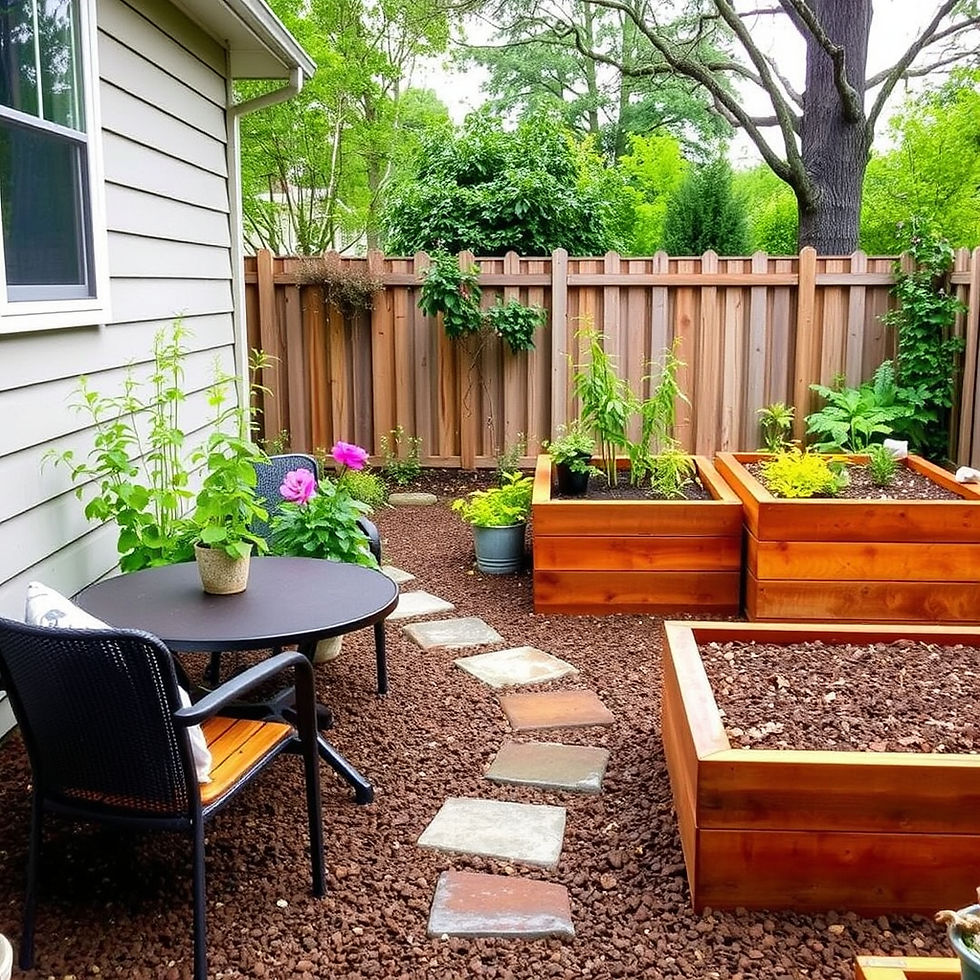
Use raised garden beds: These keep plants off wet soil and reduce muddy patches around garden areas.
A homeowner installed a stone patio and gravel paths, which transformed their muddy backyard into a usable space year-round.
Maintaining Your Backyard to Prevent Mud
Ongoing care helps keep mud under control.
Regularly check drainage systems: Clear debris from drains and gutters.
Keep grass healthy: Mow, water, and fertilize to maintain dense coverage.
Control erosion: Plant ground covers on slopes to hold soil.
Redirect downspouts: Ensure rainwater from your roof flows away from the yard.
Simple maintenance can prevent small problems from turning into muddy messes.


Comments