Maximize Your Harvest with Creative Backyard Vegetable Garden Layouts
- backyardbeautyboar
- Feb 24
- 3 min read

Updated: Feb 25
Growing your own vegetables in a backyard garden can be rewarding, but making the most of limited space requires smart planning. Creative garden layouts help you increase your yield, keep plants healthy, and make maintenance easier. This post explores practical ideas and examples to design a backyard vegetable garden that produces more food in less space.
Plan Your Garden Based on Space and Sunlight
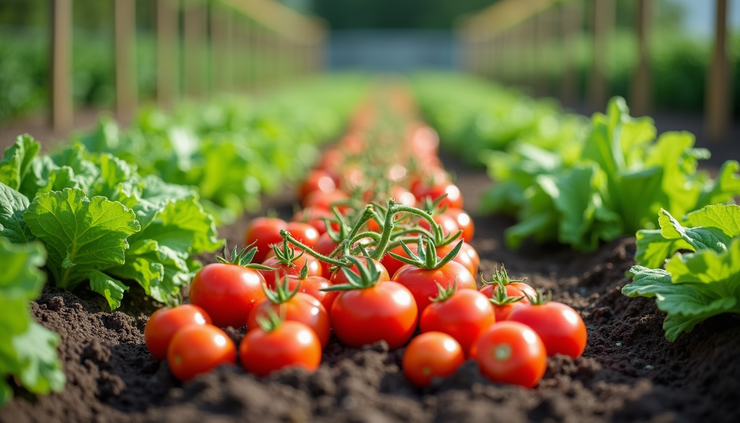
Before planting, assess your backyard’s size, shape, and sunlight exposure. Most vegetables need at least 6 hours of direct sunlight daily. Identify sunny spots and measure the available area. This helps you choose the right layout and crops.
Square or rectangular plots work well for larger spaces.
Narrow or irregular areas benefit from vertical gardening or container setups.
Consider the sun’s path to avoid shading plants that need full sun.

Use Raised Beds and Containers to Improve Soil and Access
Raised beds improve drainage, soil quality, and reduce weeds. They also make it easier to organize plants and reach them without stepping on the soil.
Build beds 3 to 4 feet wide for easy access from both sides.
Use quality soil mixed with compost for better nutrition.
Containers allow growing in small or paved areas and can be moved to follow the sun.
Raised beds and containers help you create distinct zones for different crops, making crop rotation and pest control simpler.

Try Square Foot Gardening for Efficient Use of Space
Square foot gardening divides beds into 1-foot squares, each planted with a specific crop. This method maximizes space and reduces waste.
Plant fast-growing crops like radishes or lettuce in smaller squares.
Use larger squares for sprawling plants like tomatoes or peppers.
Mix plants with different root depths to avoid competition.
This layout is easy to maintain and harvest, especially for beginners or gardeners with limited space.

Incorporate Vertical Gardening to Expand Growing Area
Vertical gardening uses trellises, cages, or stakes to grow plants upward instead of outward. This saves ground space and improves air circulation.
Grow climbing plants like beans, peas, cucumbers, and tomatoes vertically.
Use sturdy supports such as wooden trellises or metal cages.
Train vines to grow upward and prune excess growth to keep plants healthy.
Vertical gardening also adds visual interest and can create natural shade for shade-loving plants below.

Use Companion Planting to Boost Growth and Protect Crops
Companion planting involves growing certain plants together to improve growth, repel pests, or attract beneficial insects.
Plant basil near tomatoes to improve flavor and deter pests.
Grow marigolds alongside vegetables to repel nematodes and insects.
Mix onions or garlic with carrots to reduce carrot fly damage.
Plan your layout to group compatible plants and avoid those that compete or attract the same pests.

Create Pathways for Easy Access and Maintenance
Design your garden with clear paths to reach every plant without stepping on soil. This prevents soil compaction and makes watering, weeding, and harvesting easier.
Use mulch, gravel, or stepping stones for paths.
Keep paths narrow but wide enough for comfortable movement.
Arrange beds so paths run north-south to maximize sunlight exposure.
Well-planned pathways improve garden health and reduce time spent on maintenance.

Rotate Crops to Maintain Soil Health
Changing plant families in each bed every season prevents soil nutrient depletion and reduces disease risk.
Avoid planting tomatoes or potatoes in the same spot year after year.
Follow heavy feeders like corn with nitrogen-fixing legumes.
Keep a garden journal to track crop locations and rotations.
Crop rotation supports long-term productivity and reduces the need for chemical fertilizers.

Use Succession Planting to Extend Harvest Period
Succession planting means sowing crops in intervals to have a continuous harvest.
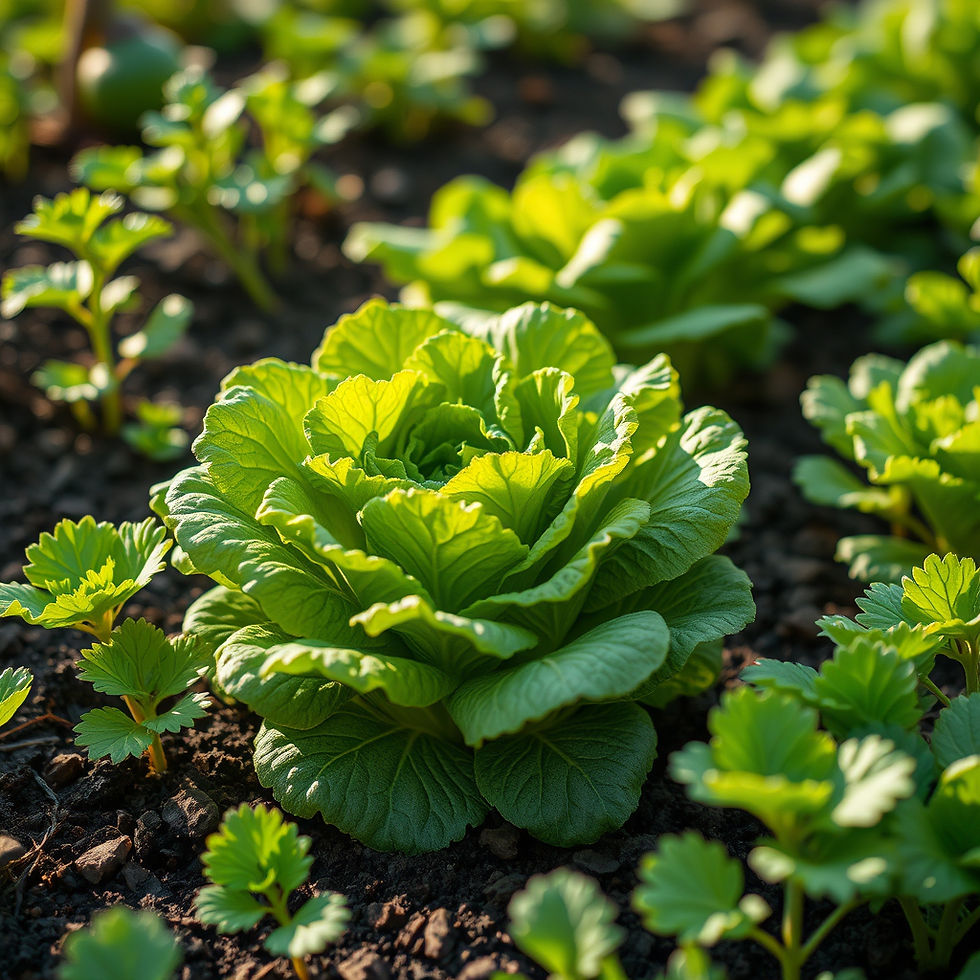
Plant fast-growing crops like lettuce every two weeks.
Follow early crops with late-season vegetables in the same space.
Use quick-maturing varieties to fill gaps.
This approach keeps your garden productive throughout the growing season.
Mix Perennials and Annuals for Year-Round Production
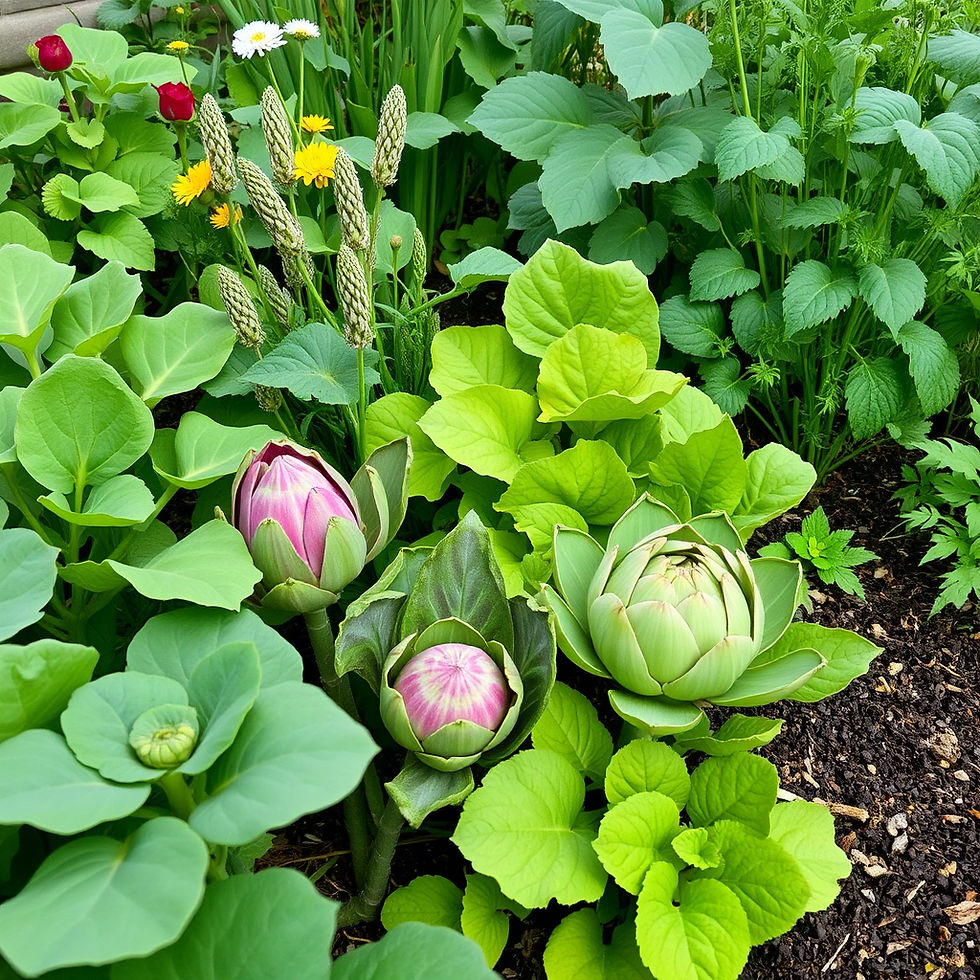
Include perennial vegetables like asparagus, rhubarb, or artichokes alongside annual crops.
Perennials provide harvests every year with less effort.
Annuals fill in spaces and allow crop rotation.
Plan layout to avoid shading perennials with taller annuals.
This balance creates a sustainable garden that produces food over multiple years.
Final Thoughts on Backyard Vegetable Garden Layouts
Designing a backyard vegetable garden with creativity and planning can significantly increase your harvest. Use raised beds, vertical supports, companion planting, and crop rotation to make the most of your space. Clear pathways and succession planting keep your garden manageable and productive. Start small, observe what works best in your space, and adjust your layout each season for continuous improvement.


Comments